 ÖPG
ÖPG
Archive - Physicist of the Month 2026
January 2026
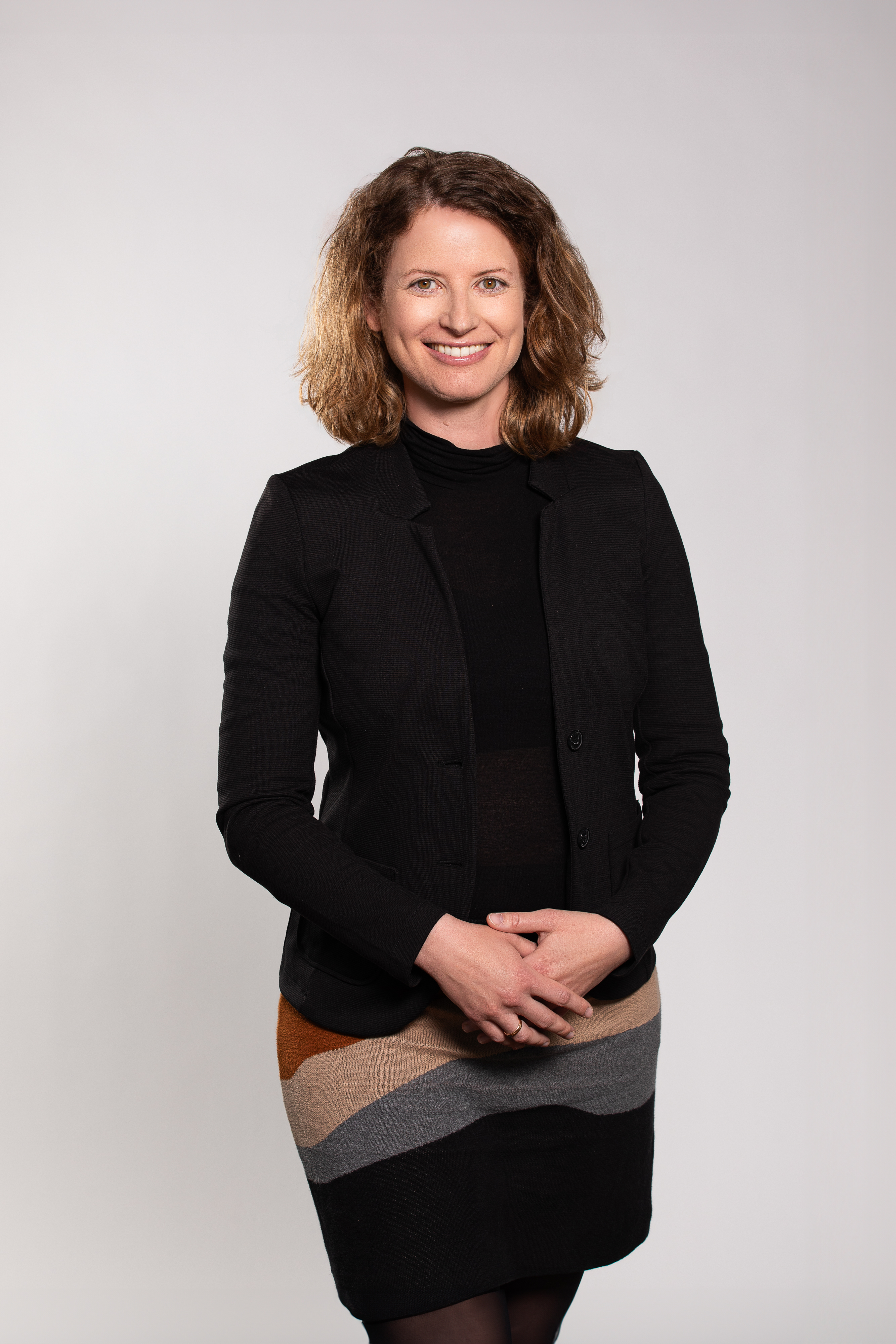
Magdalena Schatzl, Team Leader at the Metallurgical COMET Competence Center K1-MET
About myself and my research
I have been working at the metallurgical COMET Competence Center K1-MET in the field of simulation and data analysis since 2016. After spending a few years as a postdoctoral researcher, I am now leading a COMET module that focuses on the simulation, modeling, and monitoring of future-oriented plasma- and arc-based processes in the metals industry. My work at the interface between university and industry is very diverse. The research tasks can be close to fundamental research or aimed directly at industrial process applications. My responsibilities range from developing new research topics and acquiring projects to project management.
What can be done to achieve more equal opportunities in physics?
Fortunately, my parents and teachers recognized my talent in STEM very early on, supported me accordingly, and encouraged me to attend a technical high school (HTL) for computer science. There, my physics teacher inspired me so much that after graduation I spontaneously enrolled in Technical Physics at Johannes Kepler University Linz, where I eventually completed a PhD at the Institute of Semiconductor Physics.
My career path clearly shows how support from parents and teachers, as well as the visibility of role models, can give girls and women the confidence to enter male‑dominated fields. After completing my PhD, I decided to turn away from an academic career due to the challenges of balancing family and work (in terms of geographic and time flexibility, fixed-term contracts, etc.). Non-university research institutions like K1-MET offer a good opportunity to continue working scientifically while having greater planning security. From the very beginning, K1-MET employed women in leadership positions and did not shy away from hiring women of childbearing age or those with caregiving responsibilities. This is certainly part of the success story in achieving a very high proportion of women in the technical and natural sciences sector.
Throughout my school, university, and professional career, I hardly ever noticed inequalities affecting me personally. Since becoming the mother of two small children, however, I have certainly realized that balancing family and career can be immensely challenging. I see an equal partnership and a fair distribution of family work as key factors. But employers also have a responsibility to trust parents working part-time with roles that carry responsibility and to consider models such as part-time leadership or shared leadership. It is important not to forget that fathers who are committed to their families must be offered the same opportunities.
If you would like to learn more about Magdalena Schatzl and her work, you can find the link to the K1-MET Team website here and the link to her LinkedIn profile here.
February 2026
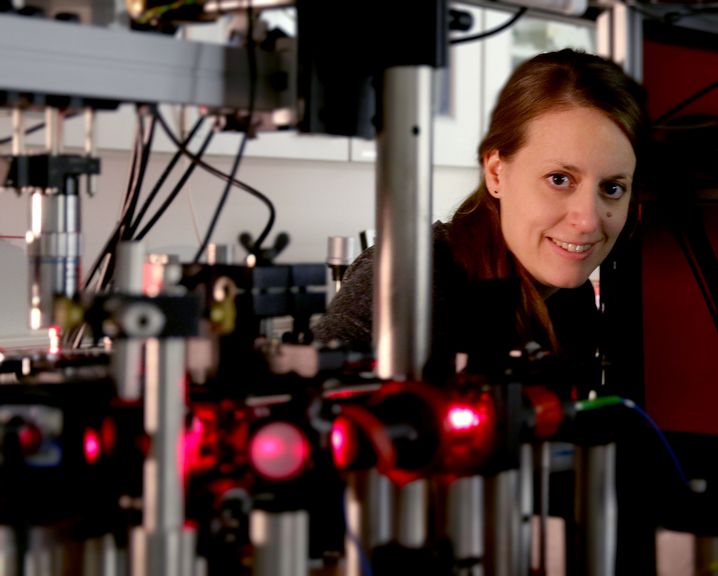
Sarah Skoff, Group Leader of the Solid-state quantum optics and nanophotonics Group at TU Vienna
About myself and my research
I am the head of the Solid-State Quantum Optics and Nanophotonics group, and my research focuses on quantum emitters that can be integrated into solid-state systems such as two-dimensional materials. These emitters hold great potential for use in emerging quantum technologies. In addition, our research group works with nanophotonic components used for high‑precision sensing.
I spent nearly eight years of my scientific career in England, where I completed my PhD in Physics in 2011 at the Centre for Cold Matter at Imperial College London. After an additional postdoctoral period in the field of “cold molecules,” I moved to TU Wien, where I began working on quantum emitters in solid-state systems. Since 2018, I have been a junior group leader for “Solid-State Quantum Optics and Nanophotonics,” and since 2022 I have been a recipient of the FWF Elise Richter Fellowship, which enabled me to take up an excellence career position.
What can be done to achieve more equal opportunities in physics?
To ensure equal opportunities, the visibility of women in science — both historical and contemporary — should be represented in teaching materials to the same extent as their male counterparts.
Furthermore, balancing family and career remains a challenge in research, one that affects women more for biological reasons, since the time of starting a family often coincides with the crucial phase of establishing oneself in academia. To avoid disadvantaging women and, more generally, all young parents, research funding is needed that specifically supports early‑career parents (regardless of gender), ensuring maximum flexibility in their professional lives.
If you would like to learn more about Sarah Skoff and her work, you can find the link to her team website here, as well as the link to her ORCID profile here.
March 2026
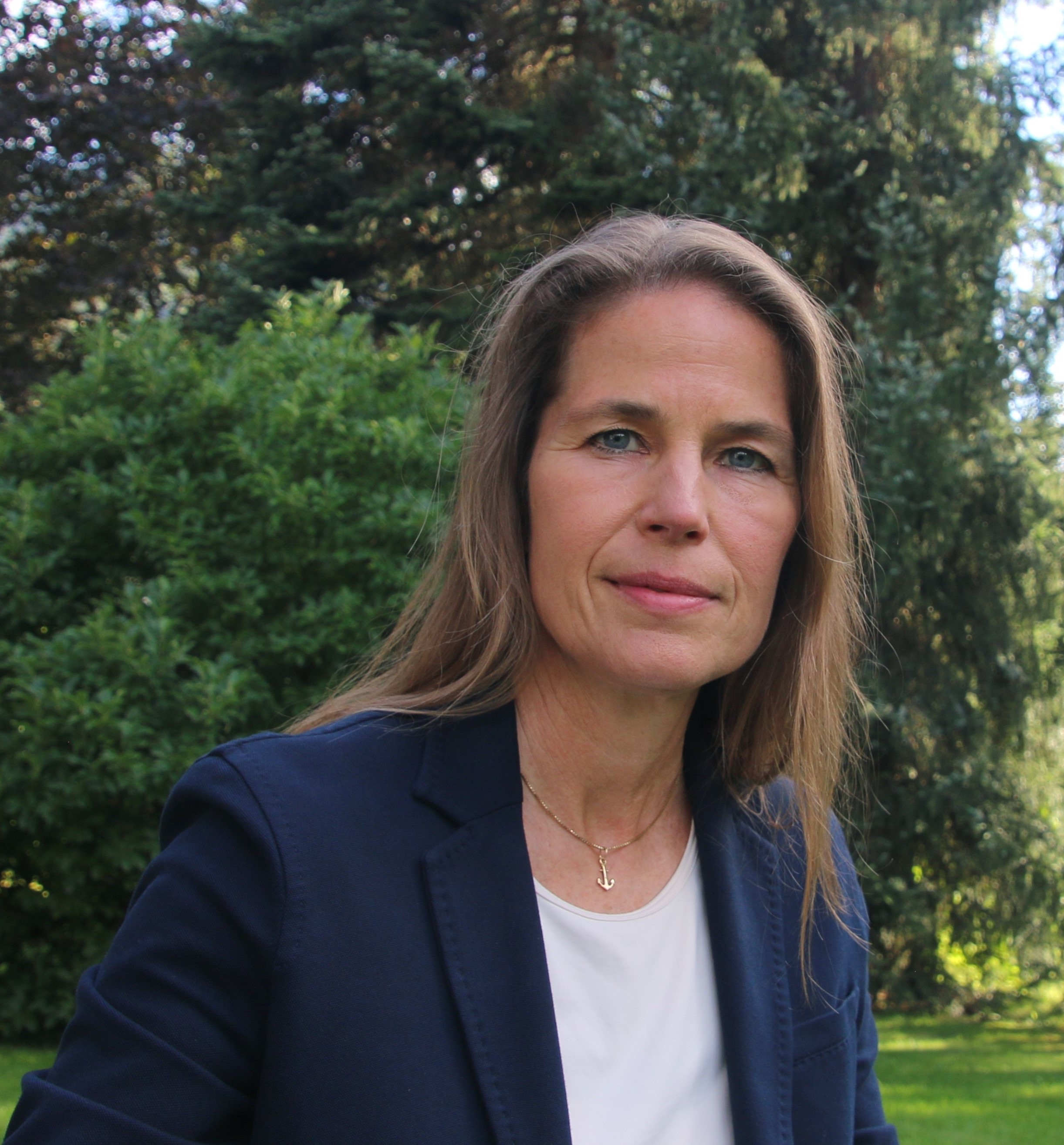
Sabine Klepsch, Managing director of the companies Seletec and Senova
About myself and my research
I only decided to study physics during my final year of secondary school, when I realized that I wanted to understand the fundamental processes of our world as deeply as possible. After graduating from TU Wien, I began a collaboration in 1996 with the Institute of Hydraulics at BOKU and TU Wien. My research focused on transport processes of dissolved substances in soils, particularly on simulation, modelling, and non‑equilibrium phenomena in porous media.
This was followed by a research stay at the Institute for Groundwater Research in Dresden (1997) and a scholarship at ARC Seibersdorf research GmbH in cooperation with BOKU and TU Wien (1998–2001). Starting in 2001, I worked as a researcher at the Institute of Soil Research at BOKU, contributing, among other things, to linking molecular sorption studies with macroscopic parameters as well as to rhizosphere modelling.
In addition to my teaching activities, I was involved in organizing several international scientific events and served as co‑manager of the EU sub‑project TREND (AquaTerra).
In 2010, alongside ongoing research projects, I embarked on something entirely different: following my passion for sailing, I spent around nine years primarily in St. Maarten in the Caribbean, working as an organizer and skipper for motorboat tours and sailing regatta charters, often including training. In 2019, I took over the management of the injection‑moulding company Seletec and the trading company Senova, which I continue to lead with great enthusiasm to this day.
What can be done to achieve more equal opportunities in physics?
During my studies, I was fortunate with my professors and with the fellow students in my year. I thankfully never experienced sexist remarks, nor did I ever feel rejected because of my gender. Even at institutes such as Chemistry or the Atominstitut, I was immediately accepted for internships. Honestly, my biggest obstacle back then was my not‑yet‑very‑strong self‑confidence ;-). Still, I think most of us encounter men from time to time who behave arrogantly or condescendingly toward women when it comes to technical topics.
From my perspective, it is important to start promoting equal opportunities and strengthening girls’ self‑confidence already in primary school—several of the physicists featured on this platform are already actively engaged in this. Interest in physics could be sparked much earlier in girls through concrete, exciting experiments. If mathematics classes also created clearer links between mathematical methods and such experiments, this could help foster interest in the “language of physics.” Initiatives like Die Spürnasen are ideal for inspiring both girls and boys to discover a love for science at a young age.
It’s all about motivating young people for certain subjects. What paths are open after studying? What are the job prospects—also beyond traditional academic careers? And are the fundamental opportunities really the same for everyone?
When searching for research results on differences between women and men—whether via AI or simply through googling—you often find summaries such as:
• Everyday experiences shape the brain, meaning that gender‑specific role expectations can create differences.
• Hormones influence behavior, emotions, and personality—though within wide individual ranges.
• “Men and women are more alike than they are different,” as U.S. psychologist Janet Shibley Hyde puts it in her “Gender Similarities Hypothesis.”
Especially now, as AI becomes an increasingly integrated part of our lives, women will certainly work at least at eye level with men across many fields.
If you would like to learn more about Sabine Klepsch and her work, you can find the link to her XING profile here and the link to her LinkedIn profile here.
April 2026
Beatrix Hiesmayr, Professor of Quantum Information at IT:U Interdisciplinary Transformation University Austria
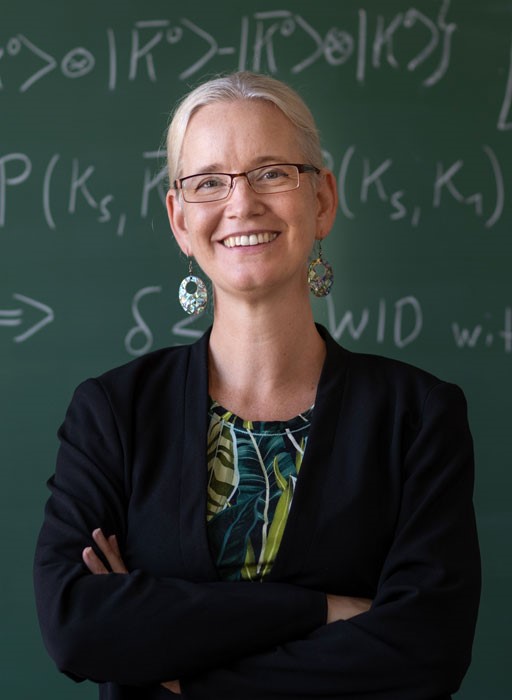
About myself and my research
In upper secondary school, I joined the Physics Olympiad more or less by chance. We dug out old experiments from the physics cabinet, dusted them off, and puzzled over why this or that happened. Of course, everyone wanted to find the better, the “more correct” explanation. To prove it, you had to detect contradictions in the others’ arguments – a truly exciting adventure. Our teacher also organized excursions to CERN near Geneva, the world’s largest particle accelerator, and to the Deutsches Museum in Munich.
Studying physics was demanding, but the deeper I was able to dive into the subject, the more fascinating it became for me. The wonderful thing is: that hasn’t changed to this day. When I solve a physics problem – something I am rightly proud of – the process usually opens up numerous new and intriguing questions right away. So I never get bored, and that’s wonderful.
My field is quantum physics or quantum information theory. Quantum theory is indeed strange because it often contradicts our intuition – and precisely because of that it is so successful: if you follow its rules, you can reliably predict what will happen. We are currently living in particularly exciting times: a wide range of quantum technologies is emerging, such as eavesdrop‑proof communication enabled by quantum laws or quantum computers that operate entirely differently from the machines we use today. Perhaps quantum effects can even be used to learn more about processes involved in cancer growth in humans or to look inside the body non‑invasively. At my new employer, IT:U, I can not only pursue my interdisciplinary interests and scientific ideas but also have the opportunity to build a completely new laboratory where we will entangle light particles in various ways.
What can be done to achieve more equal opportunities in physics?
Equal opportunities in physics are still far from being achieved, and compared with 20 years ago, it is unfortunately hard to say that the situation has noticeably improved. Many adjustments are needed. There is a lot of discussion about it – which is important because it makes the problem visible – but now we need concrete, targeted measures so that things truly change over the next ten years. The Scandinavian countries have demonstrated that it can be done: in the end, there is hardly any way around quotas, combined with tangible consequences if they are not met.
Personally, after many years of dedication, I have finally reached a position that reflects my achievements. With the opportunities now available to me, I want to actively support and mentor women on their path into science.
If you would like to learn more about Beatrix Hiesmayr and her work, you can find the link to her IT:U profile here.
May 2026
Elisabeth Gruber, Postdoctoral Researcher at the Institute for Ion Physics and Applied Physics, University of Innsbruck
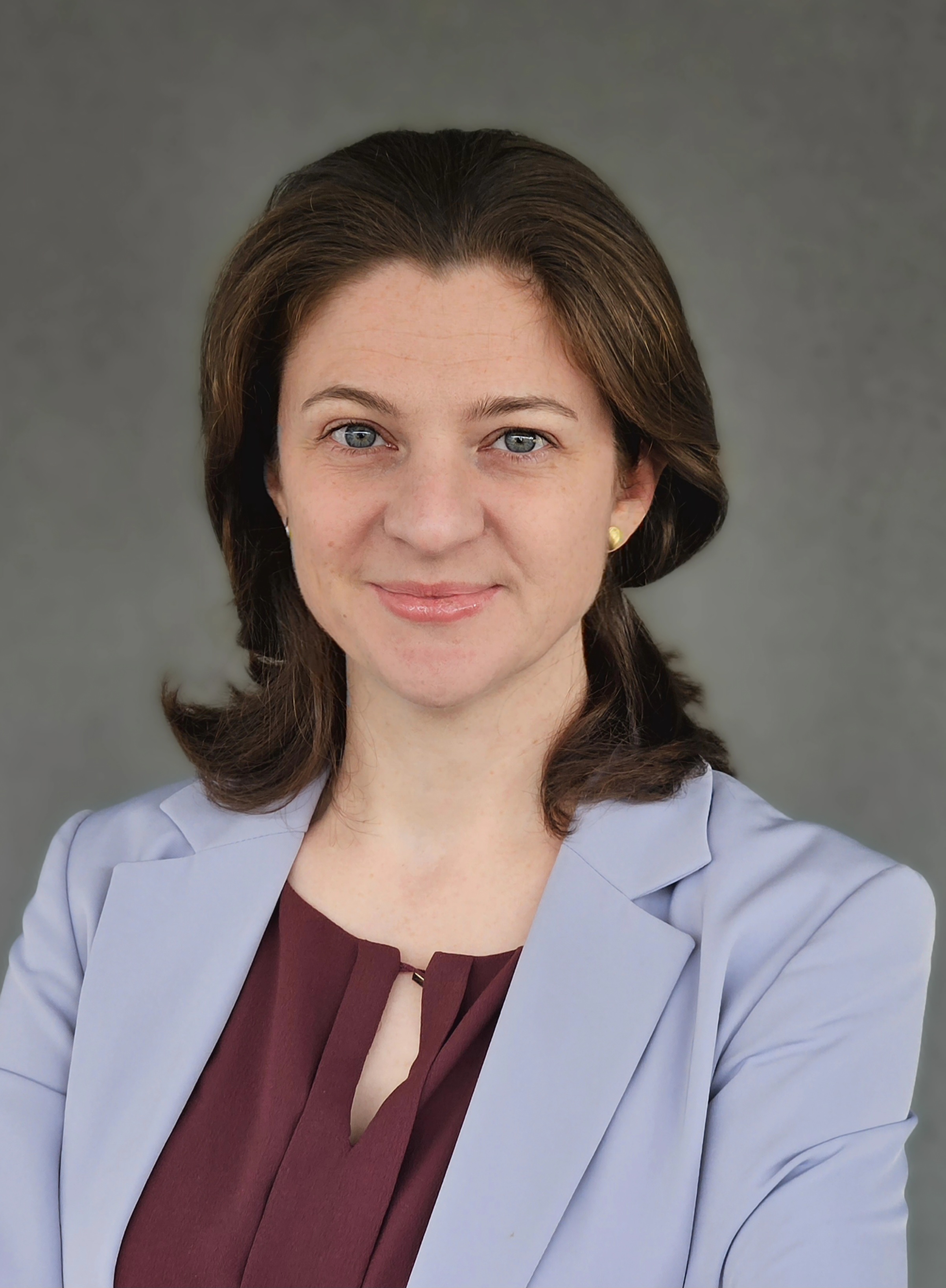
About myself and my research
I studied Technical Physics at TU Wien (Vienna University of Technology) and obtained my PhD in the field of experimental atomic physics. I then worked as a postdoctoral researcher at Aarhus University in Denmark, where I specialized in molecular physics and laser spectroscopy. Supported by an FWF Hertha Firnberg grant and a subsequent FWF Elise Richter grant, my scientific career brought me to the University of Innsbruck. There, I set up a new experimental apparatus that enables the spectroscopy of cold molecular ions. In recent years, my research focus has shifted toward molecular systems of astrochemical relevance, which I will continue to investigate within the framework of the recently awarded FWF ASTRA Prize.
What can be done to achieve more equal opportunities in physics?
Achieving greater equality of opportunity in physics requires measures at multiple levels, from early childhood through professional life. The influence of family and society plays a central role in this process. The fact that distinctions are still made between “female” and “male” activities, abilities, or interests clearly shows that there is still a great need for action.
Since family and societal structures change only slowly, schools play a key role. Early enthusiasm for physics can be fostered there through experiments, projects, workshops, or direct contact with scientists. It is crucial that such support is provided independently of a child’s family background in order to ensure equal opportunities for all children.
Another important aspect is the promotion of women at later stages of their careers. Balancing a time-intensive profession with family life remains difficult. In academia, family formation often coincides with an insecure career phase characterized by temporary contracts, frequent relocation, and very long working hours. Women are often pressured to choose between career and family. Outside universities, the situation is no better: while men with families are often viewed positively, motherhood is still considered a career obstacle for women.
Overcoming such prejudices takes time, but it can be supported through structural measures, such as improved childcare, greater workplace flexibility, and an expansion of permanent positions at universities. In addition, mentoring programs are important, and men should be more strongly involved in these efforts in order to raise awareness of existing inequalities.
Women’s advancement is most often associated with gender quotas. While these can be accompanied by negative side effects—such as reduced recognition of individual achievements or additional committee work, which is currently often distributed among only a few women—I nevertheless consider gender quotas to be, unfortunately, still a necessary instrument for achieving equality of opportunity. They help bring women into decision-making positions and introduce new perspectives there. I hope that such measures will soon become unnecessary and that equal opportunities will be self-evident.
If you would like to learn more about Elisabeth Gruber and her work, you can find here the link to her website profile at the University of Innsbruck, here the link to her ORCID, and here the link to the institute’s website.
June 2026
Karin Wiesauer, Head of the Medical Physics Organizational Unit at Ordensklinikum Linz
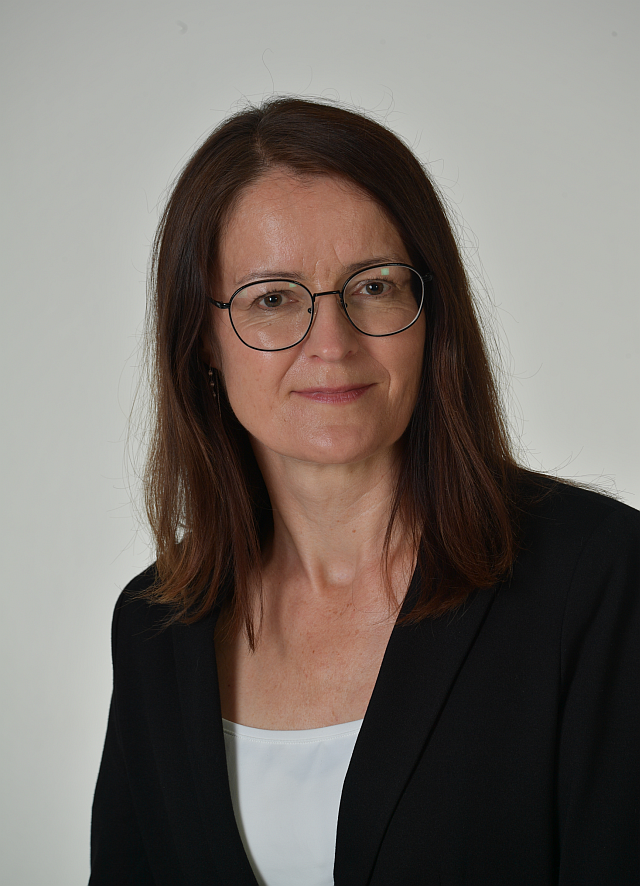
About myself and my research
In addition to many other interests, I have always been fascinated by technology. This led me to study Technical Physics in Linz, followed by a PhD in semiconductor physics. Throughout this time, I was always supported by my parents’ confidence that I could succeed. Afterwards, I worked for nearly 10 years in applied research, focusing on optical coherence tomography and terahertz technology. I became aware of the field of medical physics rather by chance, and it quickly became clear to me that this was the path I wanted to pursue. While working, I completed the postgraduate university program in medical physics in Vienna and, immediately after graduating, obtained a position as a medical physicist at the Hospital of the Sisters of Charity in Linz. I have now been working at Ordensklinikum for 13 years and have been heading the Medical Physics organizational unit there for about 3 years. Although often largely unknown, medical physicists work in hospitals, particularly in areas where ionizing radiation is used, such as radiation therapy, radiology, and nuclear medicine. My team of 18 includes not only medical physicists, but also radiological technologists involved in treatment planning and a medical informatics specialist. What makes working as a medical physicist so rewarding is the clear sense of purpose: every day we contribute to the safe and optimized treatment of patients. At the same time, we collaborate closely with various professional groups in a highly dynamic environment with constant technological developments, which makes the work diverse and exciting.
What can be done to achieve more equal opportunities in physics?
There are two experiences from my studies that I still remember today. First, I was asked whether technical physics might not be too difficult a field of study for a woman. My response, “No more difficult than for a man,” made my counterpart pause and ultimately realize that I was right. The second situation gave me much more to think about—especially since the statement came from a woman: she told me that, as a woman, it was irresponsible to choose such a course of study, because it would not be compatible with having a family. All of this happened decades ago, yet I still have the impression that such views remain deeply rooted in our society. Achieving greater equality of opportunity in physics requires a stronger sense of normality—that women have the same interest and talent in technical fields and are equally represented in them. This requires support, and it must begin early: in kindergarten and school through appropriately trained educators, in university through targeted support programs for women, and ultimately, if necessary, through quotas in professional life. From my experience, when women are considered less frequently in hiring processes, it is generally not due to lower qualifications. Personally, I never felt I had fewer opportunities as a woman, because I was fortunate to encounter people during my studies and career for whom this equality was simply the norm—and whom I would now describe as mentors. Such individuals are also extremely important for achieving equal opportunities in physics. I believe both men and women share responsibility in this regard. But I would especially like to say to girls and women: do not let supposed stereotypes hold you back—follow your interests!
If you would like to learn more about DI Dr. Karin Wiesauer, MSc. and her work, you can find the link to her LinkedIn profile here, the link to her XING profile here, as well as the link to the Department of Radiation Oncology at Ordensklinikum on its website here.
July 2026
Aline Ramires, Assistant Professor at the Institute of Solid State Physics at the TU Wien
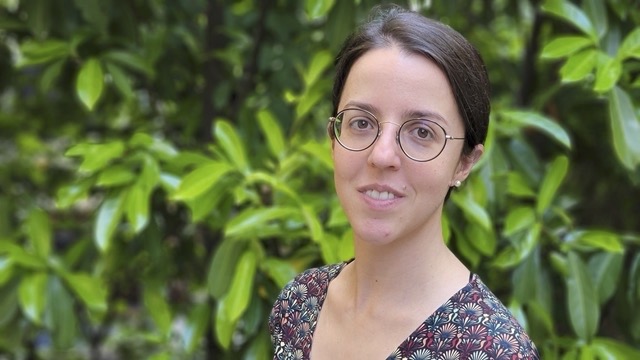
About myself and my research
I am a condensed matter theorist working on quantum materials. My research explores how symmetry and electronic interactions give rise to novel quantum phases of matter in complex materials, with the goal of uncovering fundamental phenomena potentially enabling future quantum technologies.
I began my studies in “physical engineering”, a newly established degree program offered at only one university in my home country, Brazil. At the time, I was driven by a desire to better understand how the world works while pursuing a technically oriented career. During my undergraduate studies, I discovered research through a scientific project on superconductivity and realized that a career in science offered exactly what I was looking for: the opportunity to explore new ideas driven by curiosity and creativity. This experience led me to switch my focus to physics and seek a Master's program where I could deepen my understanding of superconductivity.
I completed my Master's degree in Brazil before moving to the United States for my Ph.D. at Rutgers University, graduating in 2015. I subsequently held research positions at ETH Zürich, Max Planck Institute for the Physics of Complex Systems, and ICTP-SAIFR. From 2020 to 2025, I was an Ambizione Fellow and junior group leader at Paul Scherrer Institute, supported by a grant from the Swiss National Science Foundation. Since 2025, I have been a Tenure-Track Assistant Professor at the Institute of Solid State Physics in Vienna.
Outside of research, I navigate family and academic life across two countries with my partner, who is also a scientist, a challenge that has taught me that work-life balance can take many different forms.
What can be done to achieve more equal opportunities in physics?
Looking back on my own path, I realize how much access to information and opportunities can matter. Growing up in Brazil, I did not see a scientific career as a realistic option. It was only through research experiences during my undergraduate studies that I discovered what science actually involves and began to imagine myself as a physicist.
For this reason, I believe that increasing visibility and access is one of the most important steps toward creating more equal opportunities in physics. Role models, outreach activities, and mentoring can help young people see science as a path open to them and give them the confidence to pursue it.
At the same time, equal opportunities require supportive and fair environments throughout a scientist's career. Transparent hiring, funding, and evaluation processes are essential, as is recognizing that career paths are not always linear and that researchers face different personal circumstances.
This became particularly clear to me during a job interview, when I was repeatedly questioned about whether my family situation would allow me to meet the position's expectations. Although I had already explained that the necessary arrangements were in place, the issue continued to be raised. Only when another committee member pointed out that a similar answer had been accepted from a male candidate did the discussion move on. Experiences like this remind me that equal treatment cannot be taken for granted. They also motivate me to actively advocate for fairness and inclusion whenever I have the opportunity to do so.
If you would like to learn more about Aline Ramires and her work, you can find the link to her you can find a link to her personal website here and a link to her institute's website at TU Wien here.
September 2026
Marta Gibert, University Professor for Topological and complex Materials
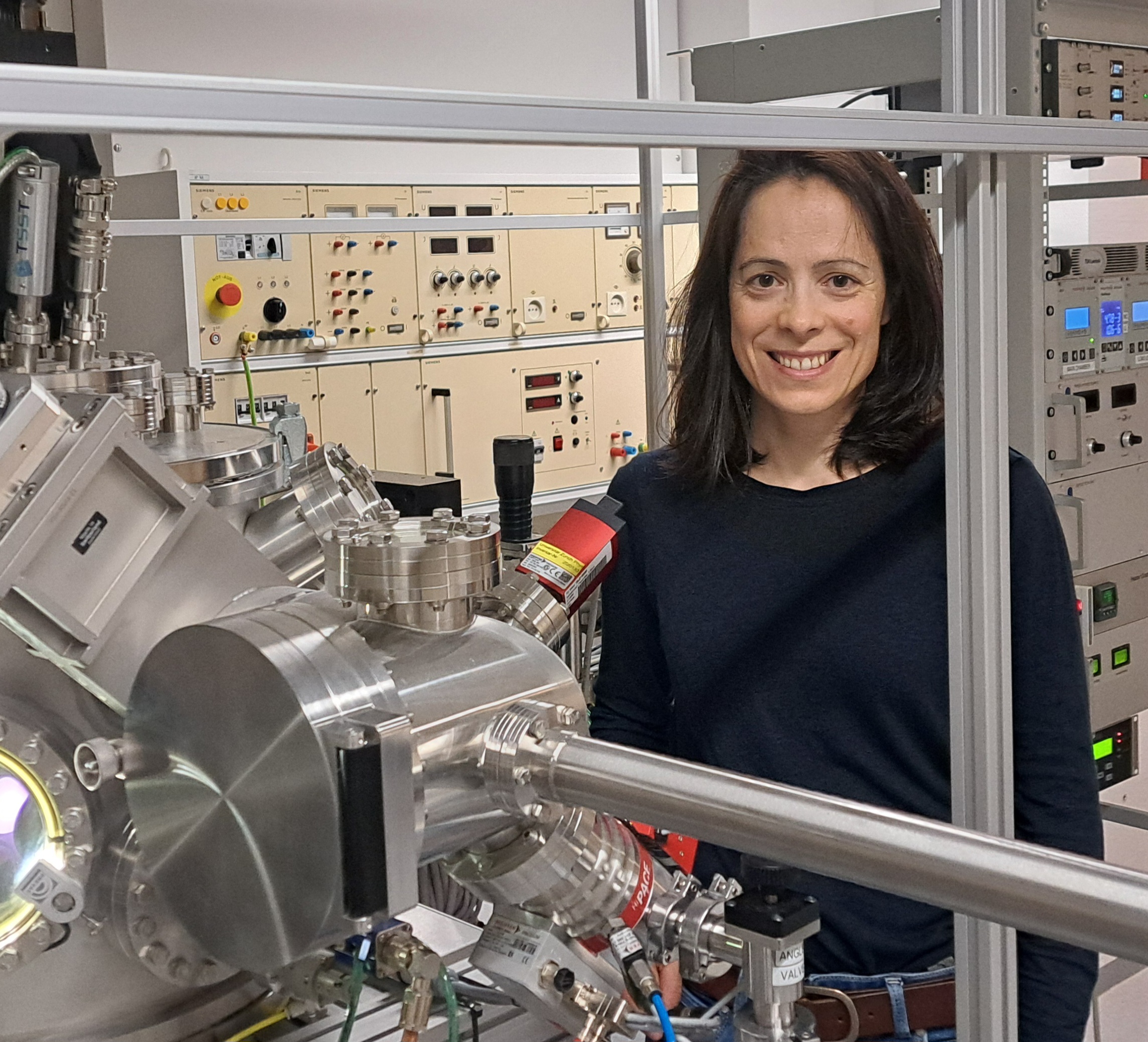
About myself and my research
I am an experimental condensed matter physicist. We grow ultrathin layers of oxide compounds with atomic-scale precision and investigate how their properties are modified at interfaces or shaped by reduced dimensionality: conductivity can emerge between insulators, or magnetism between non-magnetic materials.
I have been a Professor at TU Wien since 2021. We came to Vienna through the dual career program — a scheme that finally made it possible for both my partner and me to establish ourselves as Professors in the same city, at the same university. Until then, we had lived in different cities and different countries for many years, including when our first child was born. During this period, which was key to achieving the positions we have today, we learned a lot about resilience and logistics, and to always see the glass half full. Throughout all of this, it would have been impossible to continue without the invaluable support of our families, who were ready to travel wherever I was living whenever needed.
What can be done to achieve more equal opportunities in physics?
My experience is that, fortunately, I did not begin to feel the weight of gender inequality until I became a Professor, which coincided with becoming a mother. Until then, I had always worked in groups where everyone was treated equally, and I had not (consciously) experienced a difference. Structural barriers become most visible when professional seniority and family responsibility converge, with the beginning of both journeys often overlapping in time.
Without deliberate measures to support equality, it is clear we will never reach the goal. Quotas can help. So can mentoring programs and dedicated funding schemes that target the specific career stages where women tend to drop out. Family-friendly schedules and travel support address another shared need. When children are very young, they require constant presence and care. But even once they start school, they cannot easily miss days to travel with a parent to a conference, which creates a distinct and underappreciated challenge for people with high-mobility careers.
Beyond the biological realities, which do pose obvious challenges (long-distance travel while breastfeeding, or attending important job/grant interviews, are examples I and many of us have faced), the demands of juggling family and work affect all caregivers regardless of gender. Efforts towards equality must also acknowledge this if we want to create an inclusive environment and retain talent across all career stages, regardless of family situation.
In our everyday lives, we can directly advance equality by supporting each other, sharing experiences, and speaking openly about these challenges so that younger generations feel less alone in facing them. In this direction, two years ago, with a group of female colleagues, we established fem*PHYS, a network of women to promote valuable networking opportunities, share information and experiences, showcase the achievements of female scientists, and promote visibility.
If you would like to learn more about Marta Gibert and her work, you can find a link to her TU Wien profile here, the website of her research group here, and her LinkedIn profile here.